
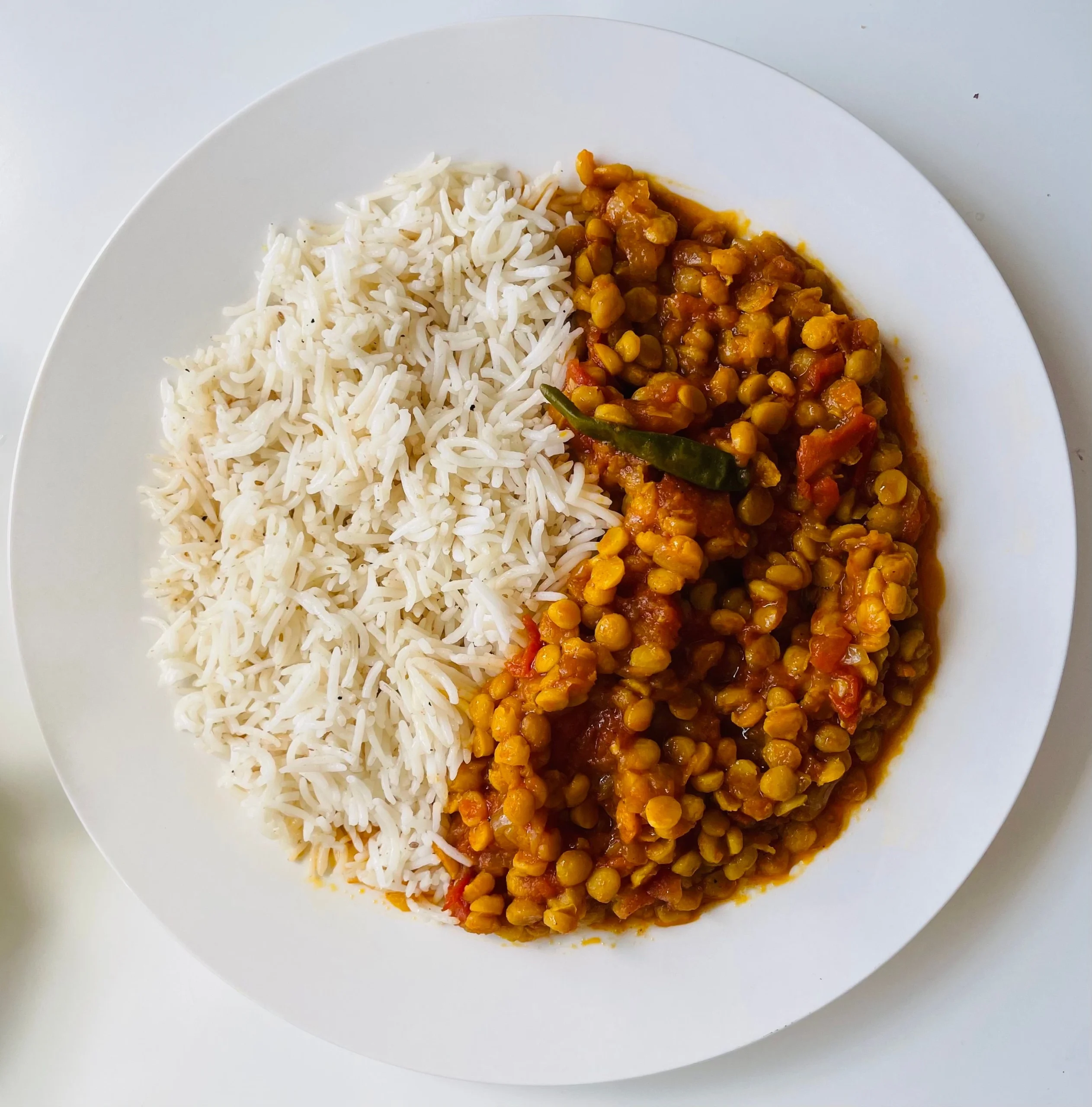
If you’re planning a trip to the island and you don’t eat meat, you’ve probably wondered whether you’ll spend two weeks eating plain rice and toast.
Good news: that worry is misplaced. Sri Lankan vegetarian food isn’t an afterthought here. It’s woven into the everyday menu, from roadside eateries to family dinner tables, and it’s some of the most flavourful cooking you’ll find anywhere in South Asia.
A lot of travelers ask us, is Sri Lankan food vegetarian friendly? The honest answer is yes, more than most people expect. Buddhist and Hindu dietary traditions run deep here, so plant based food in Sri Lanka isn’t a niche category tucked into a corner of the menu.
It’s the backbone of it. This guide walks you through the dishes worth seeking out, what to expect on your plate, and where to find them once you land.
Rice and Curry, the Real Centerpiece
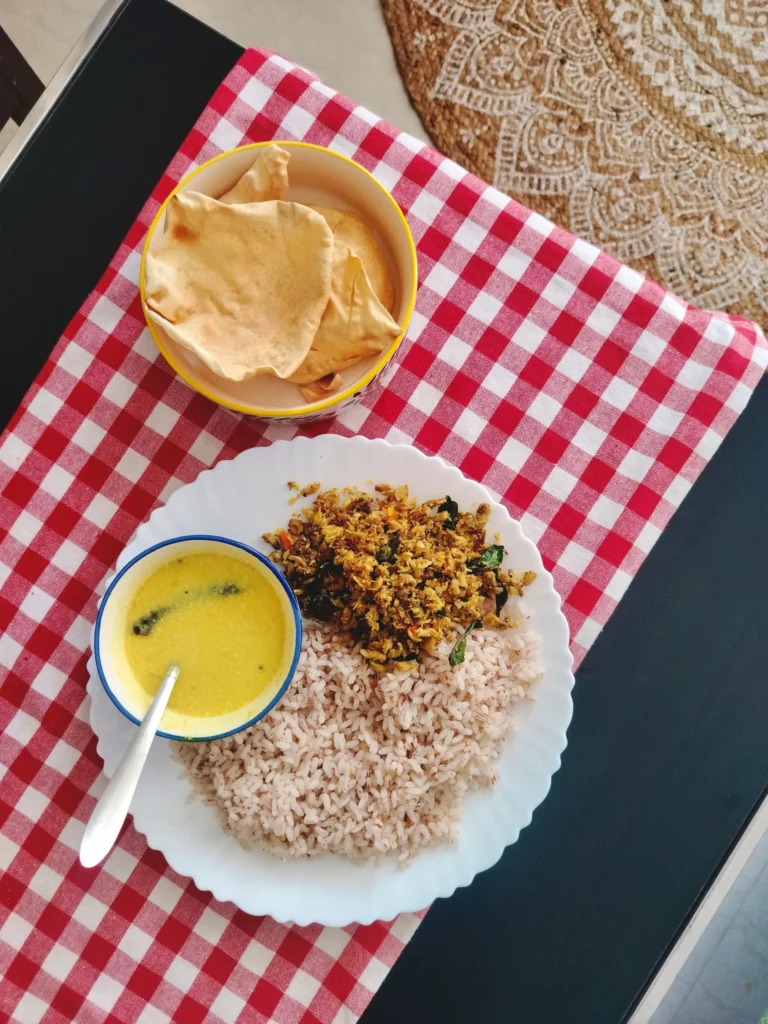
Ask any local what they eat most days and the answer is rice and curry. Not one curry, mind you, several small bowls served alongside a mound of steamed rice.
A typical vegetarian rice and curry spread might include a dhal curry, a beetroot curry, a pumpkin or okra dish, and a spicy coconut sambol on the side. Each curry tastes completely different from the next, some are dry and roasted, others swim in a thin coconut gravy, and together they make a meal that never feels repetitive.
Most guesthouses and family run restaurants offer this as a set meal, and it’s usually the best value food you’ll find on the island.
Order it once and you’ll understand why sri lankan vegetable curries have such a loyal following among visitors who came expecting bland backup options and left as converts.
Dhal Curry, the Dish That Ties Everything Together
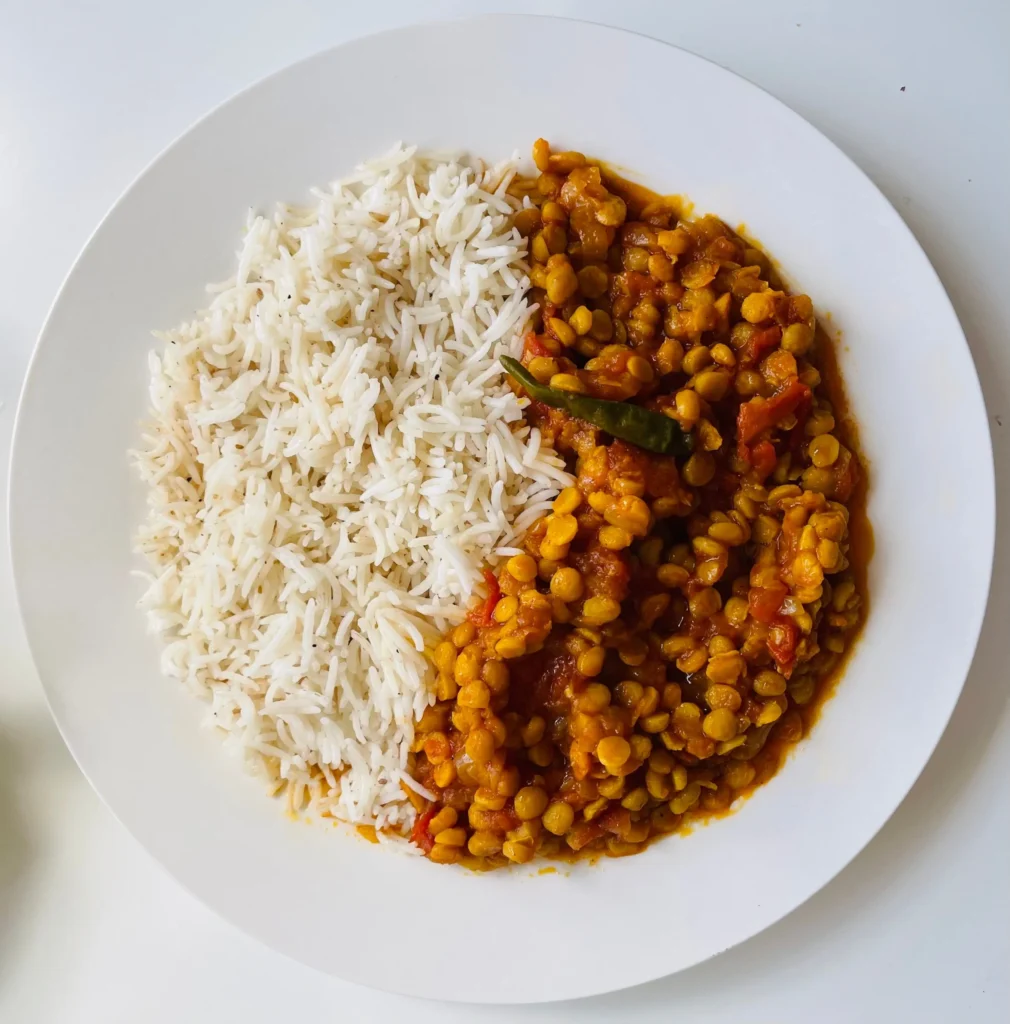
Dhal curry (sometimes spelled parippu) is the dish that shows up at almost every meal, and for good reason. Red lentils are simmered slowly with turmeric, garlic, green chili, and coconut milk until they turn creamy and rich.
It sounds simple. It is simple. But a well made dhal curry in Sri Lanka has a depth that’s hard to replicate at home, mostly because of the fresh coconut milk and the way spices are tempered in hot oil right at the end, a technique locals call tempering or tadka.
If you only try one dish on this list, make it this one. It pairs with everything, it’s filling without being heavy, and it’s a fair benchmark for judging how good a kitchen actually is.
Jackfruit Curry, the Meat Substitute Nobody Told You About
Jackfruit curry deserves more attention than it gets outside the region. Young, unripe jackfruit has this fibrous, almost stringy texture that soaks up spice beautifully, which is why it’s become something of a global darling in vegan cooking circles over the past few years.
In Sri Lanka, it’s been a staple for generations, long before the rest of the world caught on.
Cooked in a thick curry with roasted spices, coconut milk, and a touch of tamarind for tang, jackfruit curry (locally called polos curry) has a satisfying, almost meaty bite. It’s one of those sri lankan vegan dishes that genuinely surprises first timers.
Ask for it at any traditional eatery and don’t be shy about asking how spicy it is before you dig in.
Coconut Sambol, the Dish on Every Table
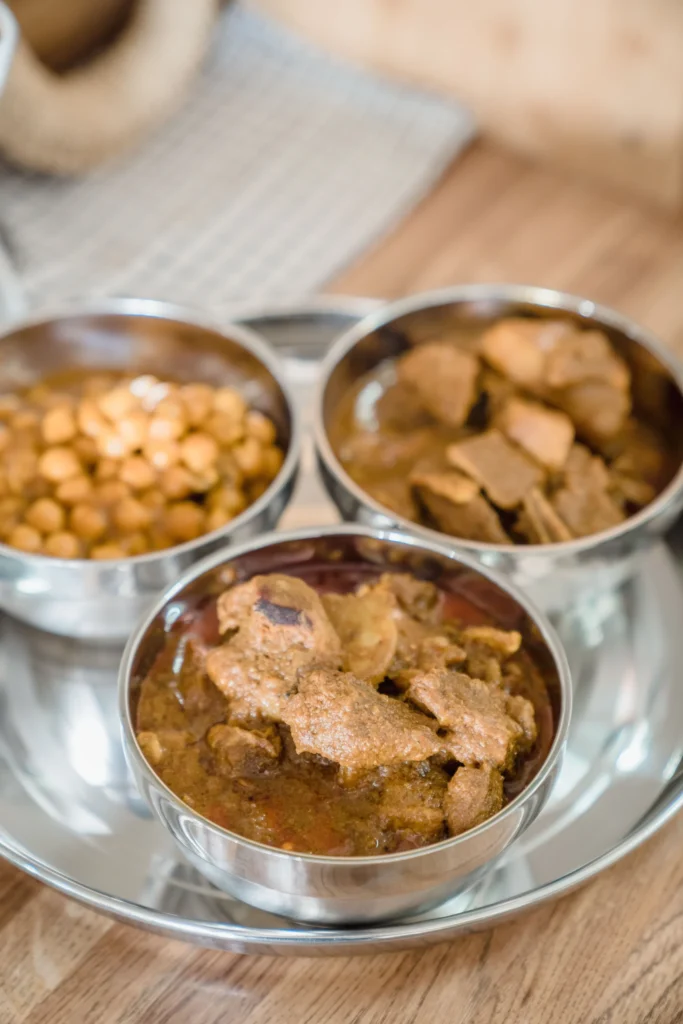
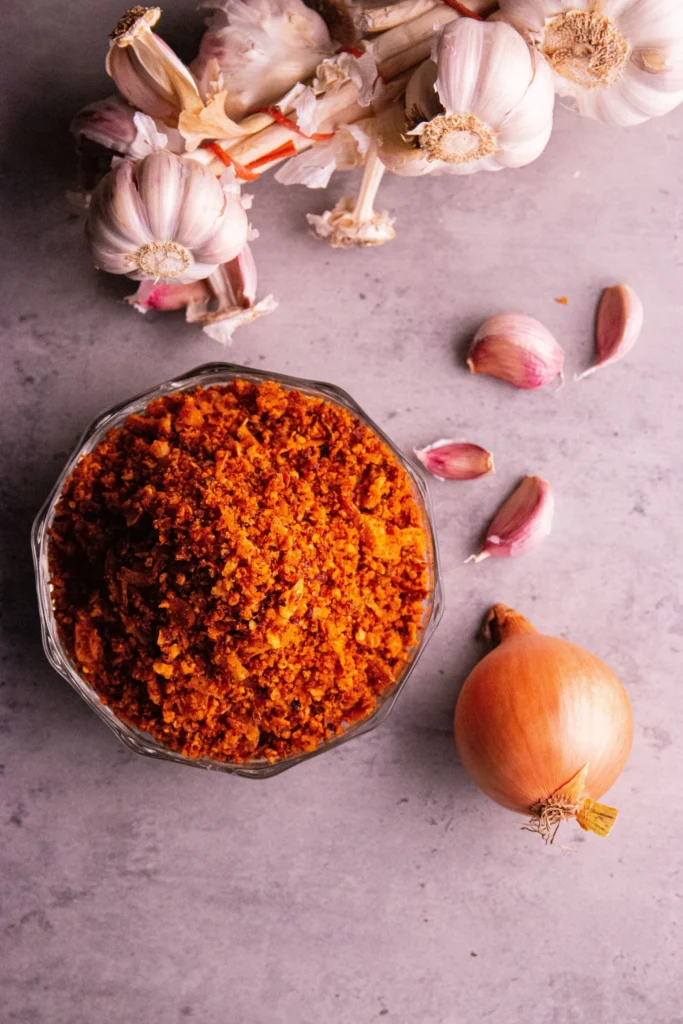
You can’t talk about Sri Lankan food without mentioning coconut sambol. It’s not technically a curry, more of a relish, but it shows up next to almost everything and it changes the whole meal. Freshly grated coconut is mixed with red chili, lime, and a bit of Maldive fish for the traditional version, though the vegetarian version simply swaps that out for a touch of salt or lime powder instead.
The result is spicy, tangy, and slightly sweet all at once. Pair it with a plain hopper (a bowl shaped rice pancake) or a scoop of rice and curry, and it lifts the whole plate. Once you’ve had proper coconut sambol, the bottled versions back home just won’t cut it anymore.
Vegetable Curries Worth Seeking Out
Beyond dhal and jackfruit, the range of sri lankan vegetable curries is genuinely impressive. Look out for:
Beetroot curry, sweet and earthy, cooked with mustard seeds and curry leaves. Pumpkin curry, soft and mildly spiced, often finished with a hint of cinnamon. Green bean curry, quick cooked and fresh, a nice contrast to the richer dishes. Ash plantain curry, made from unripe bananas, similar in texture to jackfruit but milder.
Most of these are cooked without any meat stock to begin with, which makes vegan food in Sri Lanka far easier to navigate than travelers usually assume. Just double check for dried fish additions in sambols and some tempered dishes, since that’s the one ingredient that occasionally sneaks in.
Where to Eat It
You don’t need to hunt down specialty sri lankan vegetarian restaurants to eat well here, though they do exist, particularly around Colombo and Kandy, and they’re worth a visit if you want a fully dedicated vegetarian menu without any cross checking.
That said, the more memorable meals often come from small family run places along the road, the kind with plastic chairs and a woman cooking in the back who’s been making the same dhal curry for twenty years. Those are the meals you’ll actually remember.
A Good Meal Makes the Whole Trip Better
Food has a funny way of shaping how you remember a place. Long after the beaches and temples blur together in your memory, you’ll probably still recall the taste of a good dhal curry eaten on a quiet afternoon, or the first time coconut sambol actually made sense to you. Sri Lanka doesn’t treat vegetarian cooking as a compromise, it treats it as its own tradition, built over centuries, and that comes through in every plate.
If this has you curious about the rest of what the island’s kitchens have to offer, our post on 8 Famous Sri Lankan Foods You Must Try Before You Leave rounds out the picture with the non vegetarian classics too.
At The Lanka Safe Tours, we’ve spent 11 years building routes and itineraries around Sri Lanka, and food is always part of the conversation with our travelers. Whether you’re after sightseeing tours through the hill country, a beach tour along the south coast, or a full sri lanka tour package built around where the best food actually is, our chauffeurs and guides know exactly which small eateries and family kitchens are worth the stop. If you’d like a trip planned with that kind of local detail in mind, we’re happy to help put it together.