
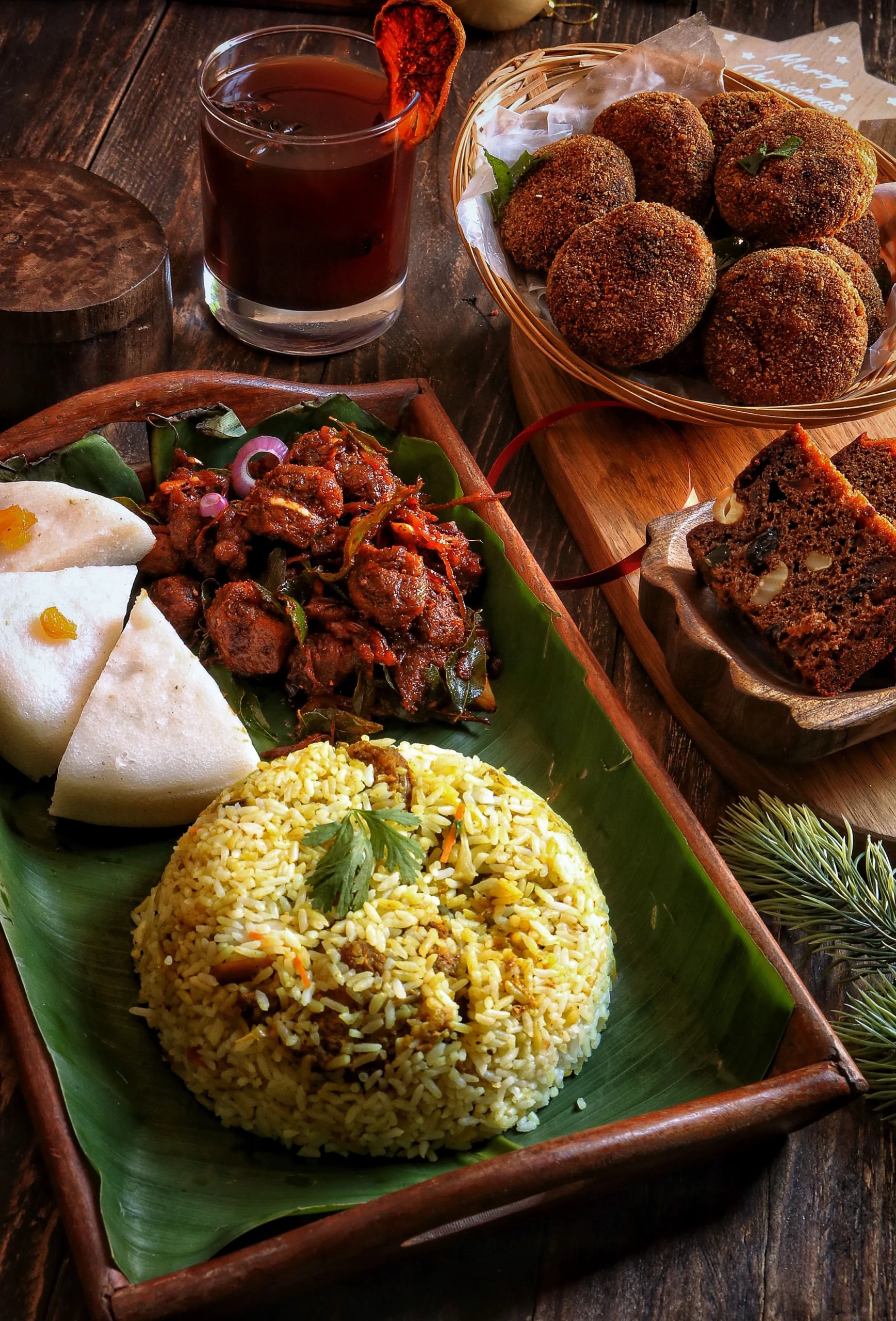
Ask anyone who has spent a morning in a Sri Lankan home and they’ll tell you the same thing: breakfast here is an event, not an afterthought.
There’s no grabbing a slice of toast and running out the door. A proper Sri Lankan breakfast usually means something cooked fresh, often with coconut in some form, and almost always eaten with your hands.
We’ve spent over a decade driving travelers across this island, from the hill country to the coast, and one question comes up more than most: “What do Sri Lankans actually eat for breakfast?” It’s a fair question, because the food here doesn’t get nearly as much attention as the beaches or the temples, and that’s a shame.
So we put together this list from what we’ve seen served in homes, roadside kade (small shops), and hotel kitchens over the years. By the end of this, you’ll know exactly what to order on your first morning here, and why locals rarely touch a piece of bread if they can help it.
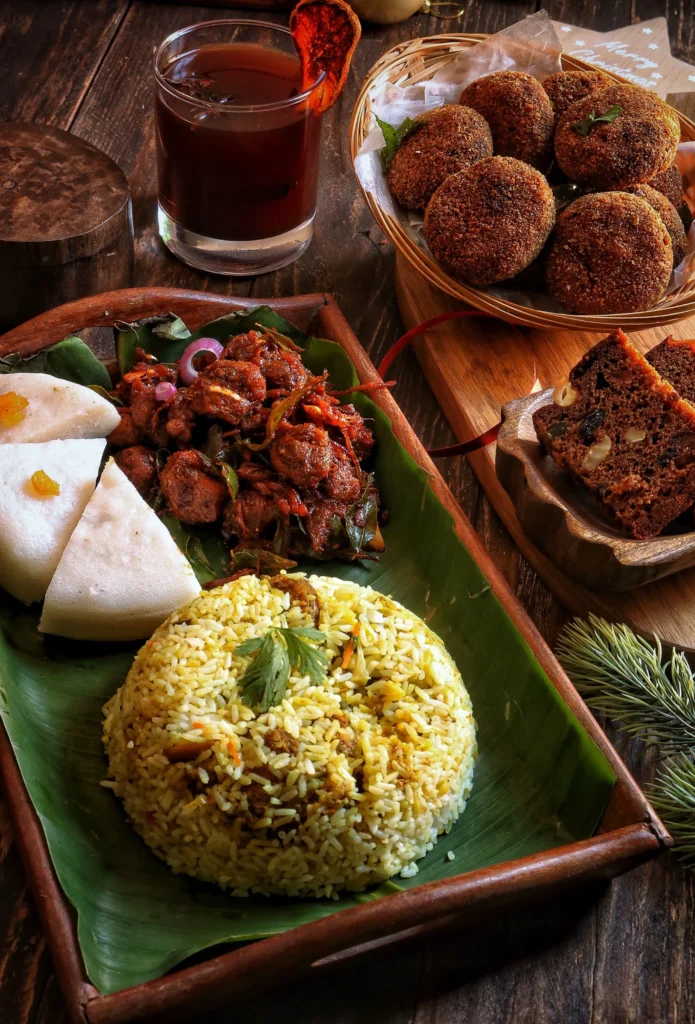
Hoppers (Appa)
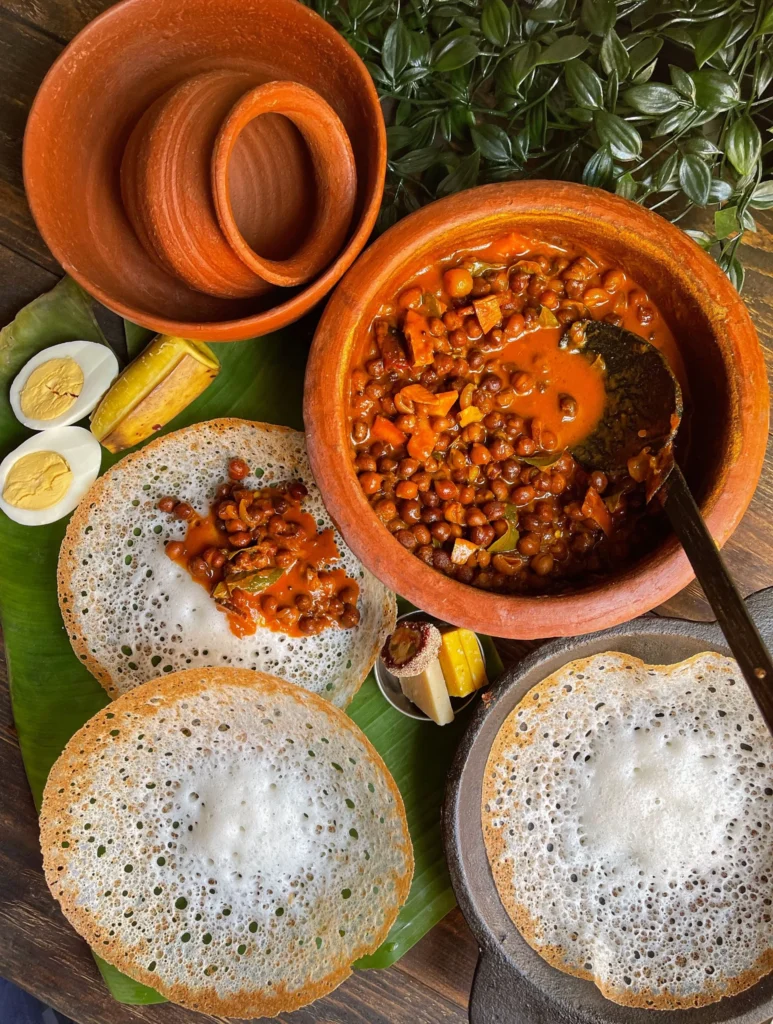
If there’s one dish that defines a Sri Lankan breakfast, it’s the hopper.
Made from a fermented batter of rice flour and coconut milk, the mixture is swirled in a small wok-shaped pan until it forms a bowl with thin, crispy edges and a soft, spongy center.
They’re eaten plain, dipped in curry, or paired with lunu miris (a spicy onion and chili relish). Watching someone make hoppers for the first time is half the fun. It looks simple, but getting that perfect crisp lace edge takes years of practice.
Egg Hoppers
Take the same hopper batter, crack an egg into the center while it cooks, and you’ve got an egg hopper, one of the most popular breakfast items across the country.
The egg sets inside the bowl of the hopper, giving you a soft yolk in the middle and a crunchy shell around it.
Most people eat two or three of these with sambol on the side. If you only try one dish from this list, make it this one.
String Hoppers (Idiyappam)
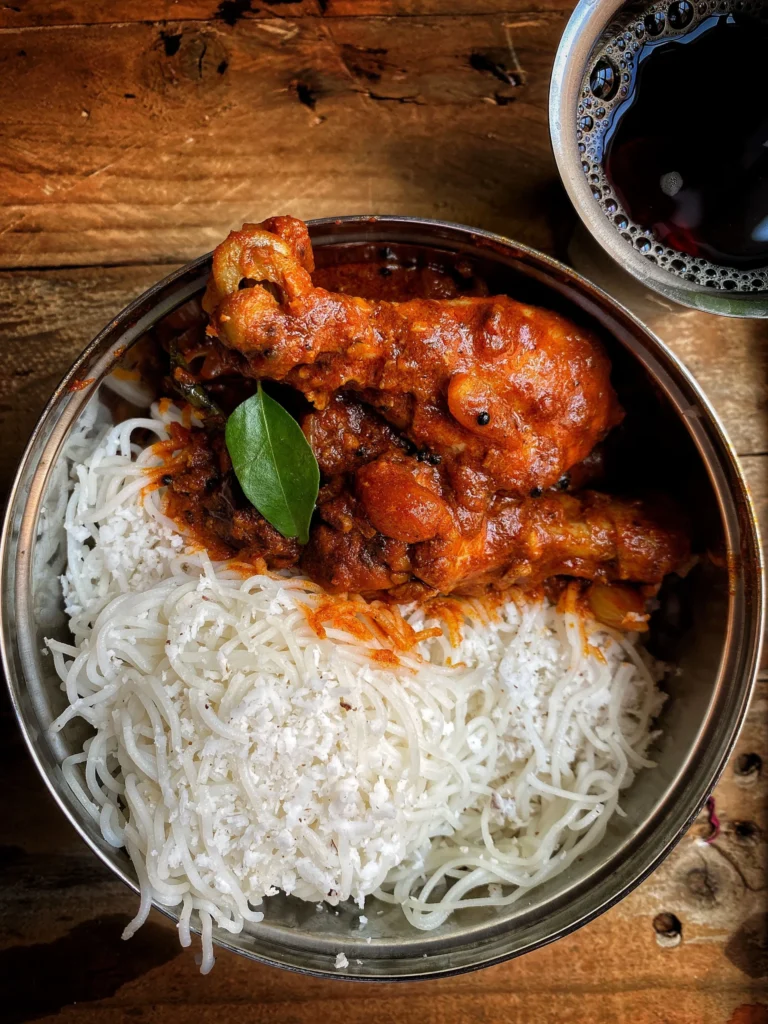
String hoppers look nothing like the appa we just talked about, despite sharing the name.
These are steamed noodle nests made from rice flour, pressed through a mould into thin strands and stacked in small circular discs. They’re mild on their own, which is exactly the point.
String hoppers are meant to soak up whatever curry sits next to them, usually a coconut-based chicken or dhal curry with a fried egg on top. This is a common Sunday breakfast in many households.
Kiribath (Milk Rice)
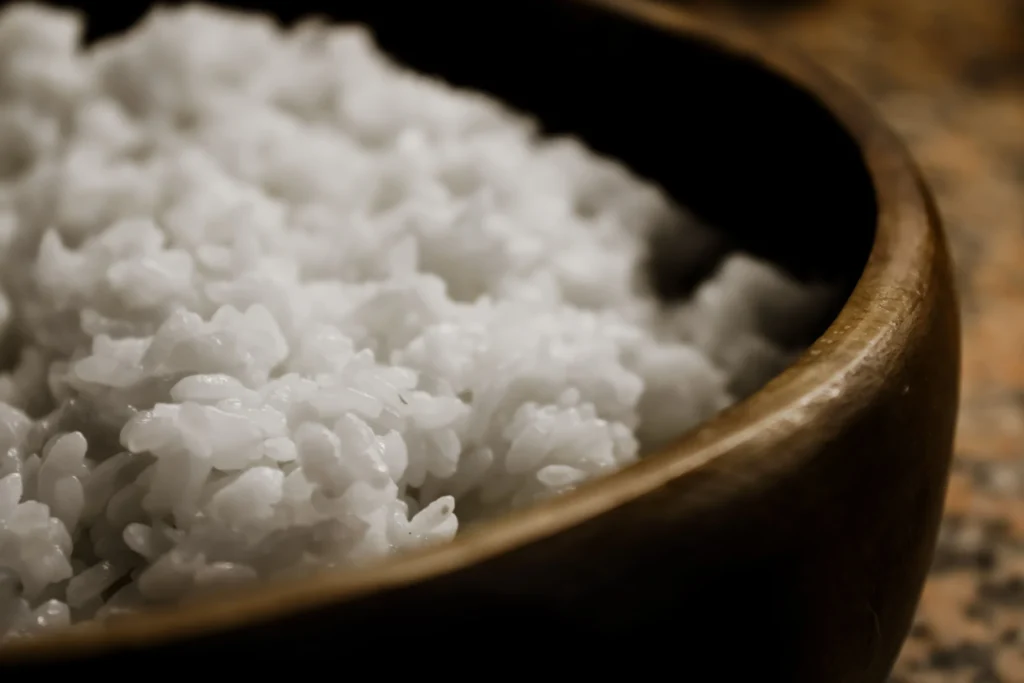
Kiribath, or milk rice, holds a special place in Sri Lankan food culture.
Rice is cooked down in thick coconut milk until it turns creamy and slightly sticky, then pressed flat and cut into diamond shapes. It’s the dish you’ll find on New Year mornings, before exams, before a long journey, before pretty much any occasion that matters.
Locals eat it with lunu miris or a spoonful of jaggery (unrefined palm sugar) if they want something sweeter. Simple ingredients, but there’s a reason this one carries so much meaning.
Pol Roti
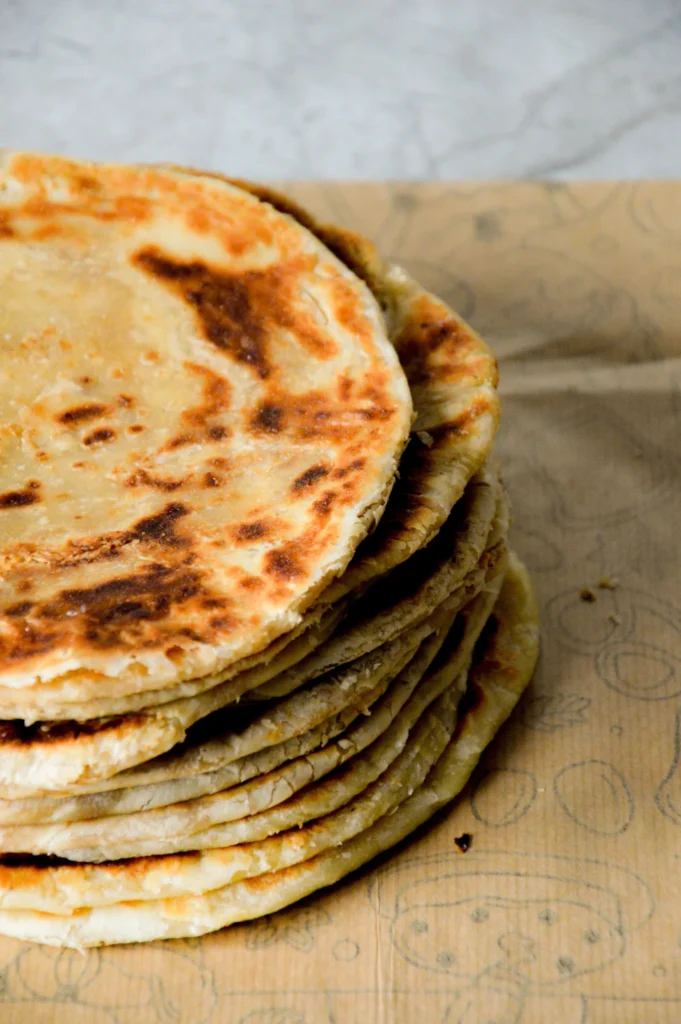
Pol roti is the everyday flatbread you’ll find in almost every Sri Lankan kitchen.
Grated coconut gets kneaded straight into the dough along with flour and a bit of water, then the whole thing is flattened and cooked on a hot griddle.
It’s dense, slightly chewy, and has a natural sweetness from the coconut that plain roti just doesn’t have. Pair it with dhal curry (parippu) or a spicy sambol and you’ve got a breakfast that costs almost nothing and fills you up for hours.
Roti and Parippu (Dhal Curry)
Speaking of parippu, this pairing deserves its own mention. Red lentils are simmered with turmeric, garlic, and coconut milk until they break down into a thick, comforting curry. It sounds basic on paper, but a well-made parippu is one of those dishes that separates a good cook from a great one. Serve it warm with roti or even leftover rice, and you’ve got the kind of breakfast that gets people out of bed on a cold morning in the hills.
Kola Kanda
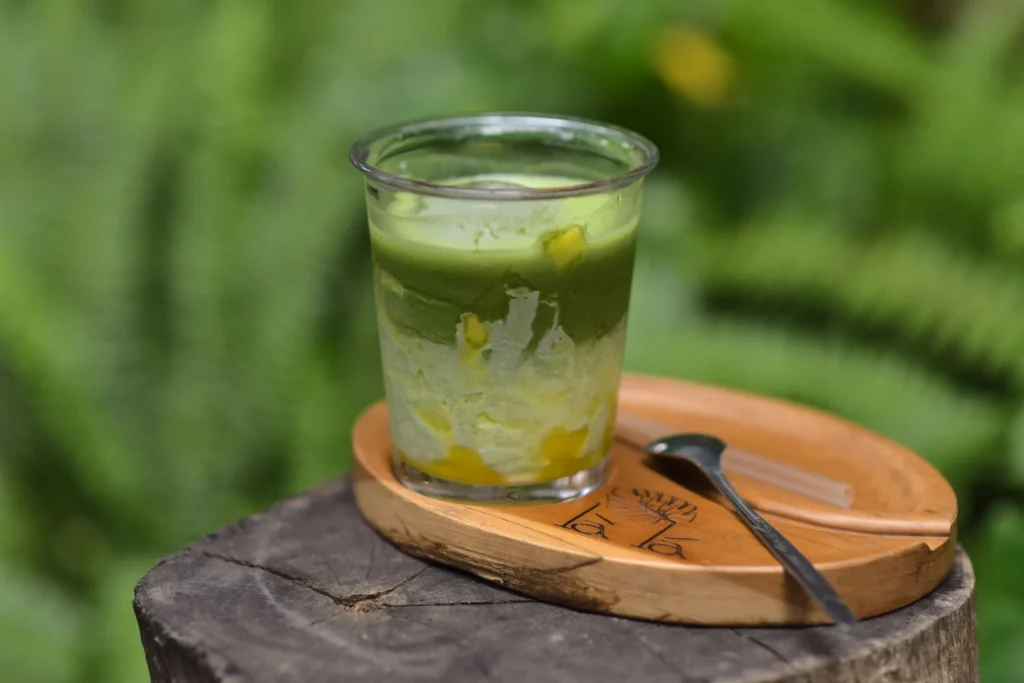
This one surprises a lot of visitors. Kola kanda is a savory porridge made by blending rice with herbal leaves such as gotukola or karapincha, then cooking it with coconut milk until it turns a deep green.
It’s earthy, slightly bitter, and considered good for your health, which is exactly why grandmothers across the island still insist on it.
You’ll usually find it served with a piece of jaggery on the side to balance the bitterness. Worth trying at least once, even if it’s not for everyone.
Pittu
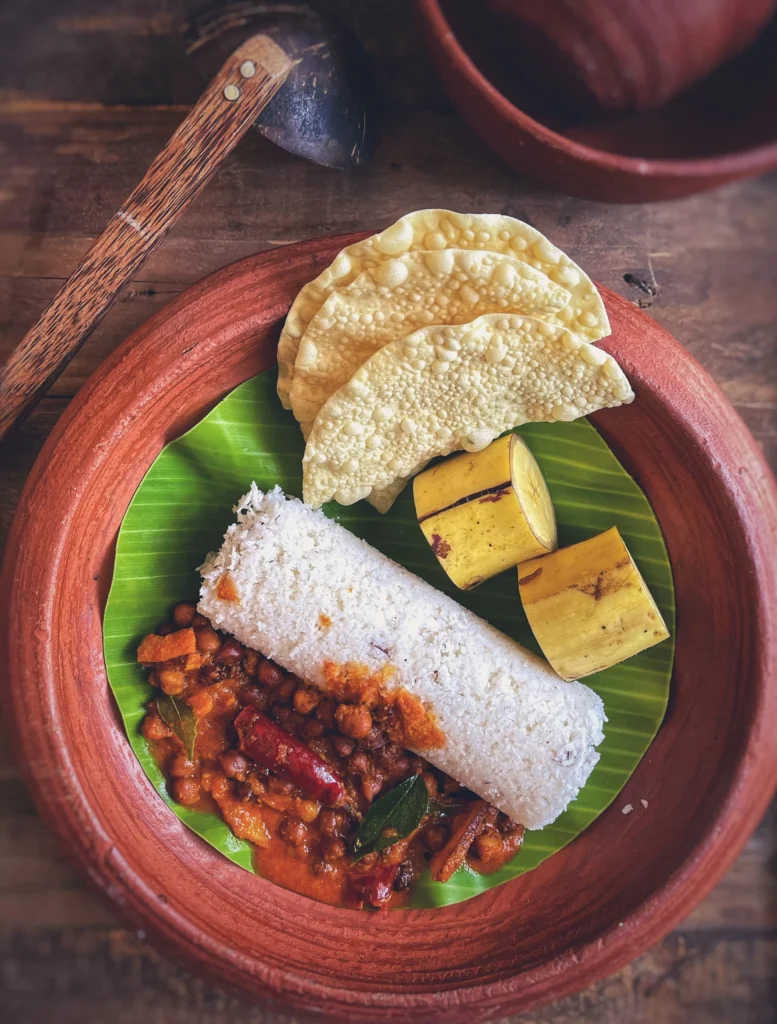
Pittu is another rice flour dish, but this one gets steamed in a bamboo or metal cylinder along with layers of grated coconut, giving you a crumbly, cylindrical log once it’s done.
Break it apart and eat it with coconut milk (thin and slightly sweetened) or with a curry, depending on the region.
In some parts of the country, people eat pittu with katta sambol, a fiery Maldive fish and chili relish that wakes you up faster than any cup of tea.
Thosai
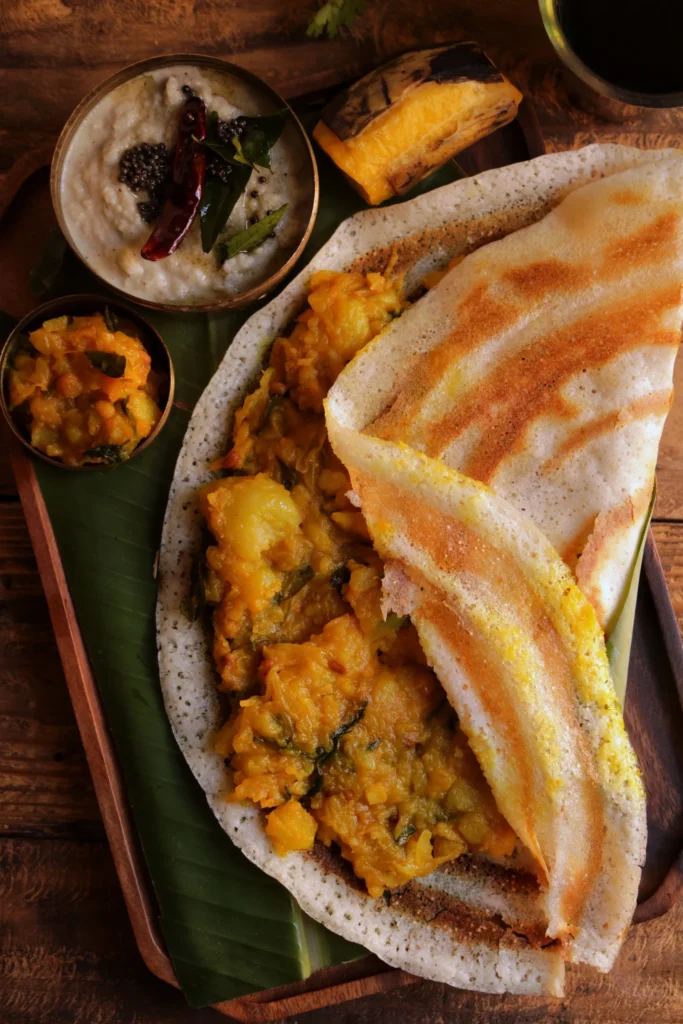
Thosai (closer to the South Indian dosa but with its own local twist) is a thin, fermented crepe made from rice and lentil batter.
It gets cooked until crisp on the outside and stays soft in the middle. In Sri Lanka, it’s usually served with coconut sambol and a small bowl of sambar or dhal curry.
You’ll find thosai stalls doing brisk business early in the morning in towns with a strong South Indian influence, and honestly, the smell alone is enough to pull you in.
Fish Cutlets and Maalu Paan
Not every Sri Lankan breakfast happens at the table.
Fish cutlets (spiced mashed potato and fish, breaded and deep fried) and maalu paan (bread stuffed with a spicy fish filling) are grab-and-go options you’ll spot at bakeries and roadside stalls from early morning onwards.
Office workers and school kids alike pick these up on their way out the door. They’re not fancy, but they’re satisfying, and they’ll give you a real sense of how people here actually eat on a busy weekday.
A Morning Meal Worth Waking Up For
There’s a reason breakfast in Sri Lanka takes a bit more effort than most places.
Food here has always been tied to family, to routine, and to a sense of care that goes into even the simplest dish. Once you’ve tried a few of these, toast starts to feel like a poor substitute.
If this list has you curious about what else Sri Lankan food culture has to offer, our earlier piece on 8 famous Sri Lankan foods you must try before you leave is a good next stop.
At The Lanka Safe Tours, we’ve spent 11 years showing travelers around this island, and mornings like the ones we’ve described here are part of what makes a trip memorable. Our sightseeing and beach tours are built around giving you time to actually sit down for a proper Sri Lankan breakfast rather than rushing past it, with a private chauffeur or guide who knows exactly where the locals eat. If you’re planning a visit and want a trip that goes beyond the usual sights, take a look at our Sri Lanka tour packages, or get in touch and we’ll help you plan a route that includes the food as much as the scenery.