
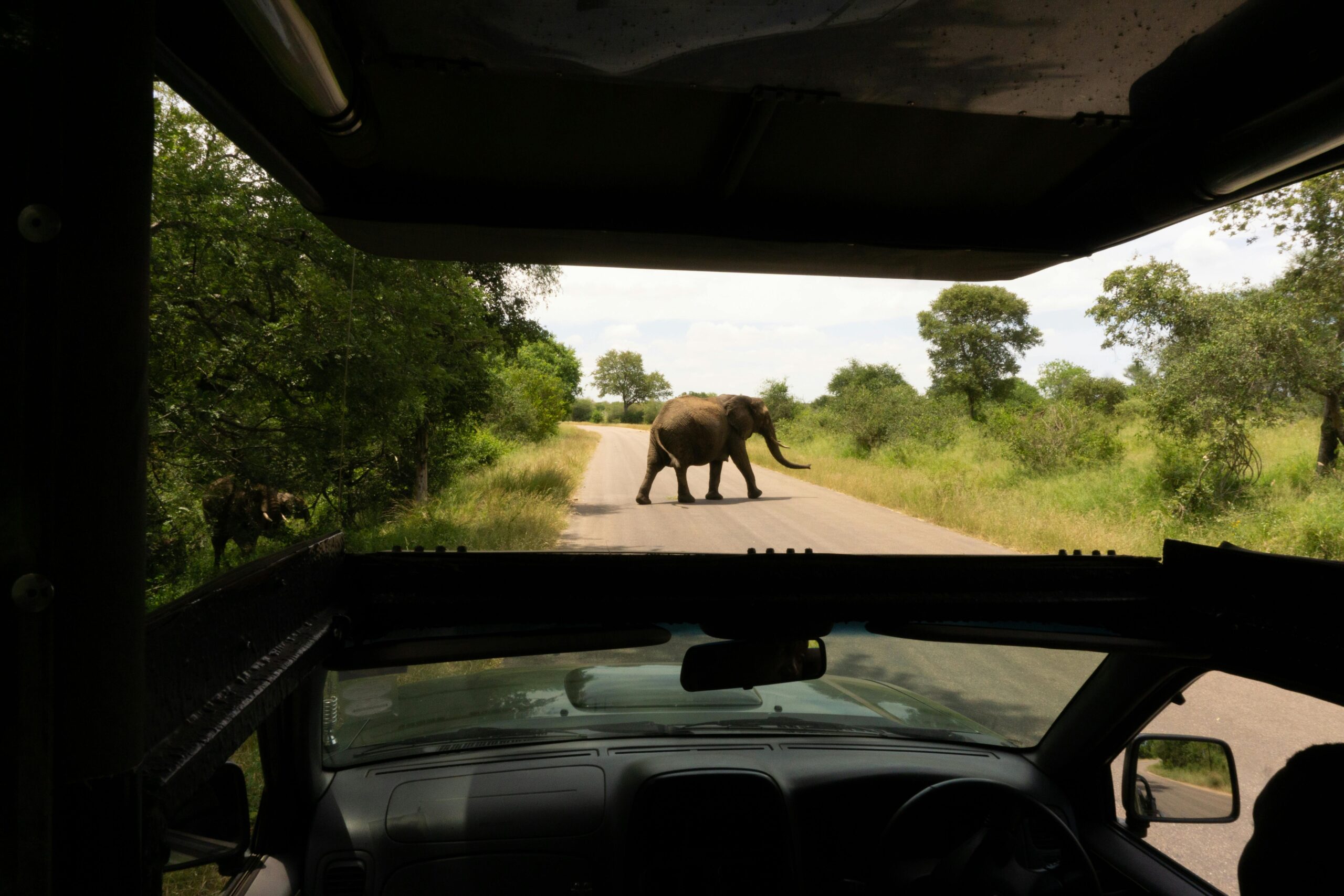
Planning a wildlife safari in Sri Lanka is a dream for many, but the reality can be quite different if you aren’t prepared for the local nuances. From shifting weather patterns to the strict etiquette required around our national parks, there is a lot to get right.
In this blog, we’re sharing five of the most common mistakes travellers make—and more importantly, how you can avoid them.
Drawing from our 16 years of experience as a Sri Lanka Tourist Board-approved agency, we want to ensure you walk away with incredible photos and memories, rather than fines or frustrations.
By the end of this read, you’ll know exactly how to time your visit and how to interact with our wildlife.
Mistake #1: Ignoring the Monsoon Cycles
Many travellers assume “tropical” just means hot and sunny year-round.
In reality, Sri Lanka’s weather is dictated by two distinct monsoons. If it’s raining in the east, the west might be dry. Planning without checking these cycles is a gamble. Heavy rain doesn’t just mean getting wet; it changes animal behaviour and park accessibility.
During heavy rainfall, certain parks close for safety or because the tracks become impassable.
We saw this vividly during the unexpected storms in 2025, which disrupted travel across the country. In the Sigiriya region, for example, if the Minneriya parks are flooded, the elephant herds often migrate toward Eco National Park.
Don’t just show up at a gate because a guidebook told you it’s the “best” spot. Always check how the parks are operating if it’s the rainy season. Give them a call and double-check if it’s currently a heavy rain period.
If you want to dive deeper into the specifics of climate planning and the different zones, check out our guide on the best time to visit Sri Lanka.
Mistake #2: Feeding the Animals
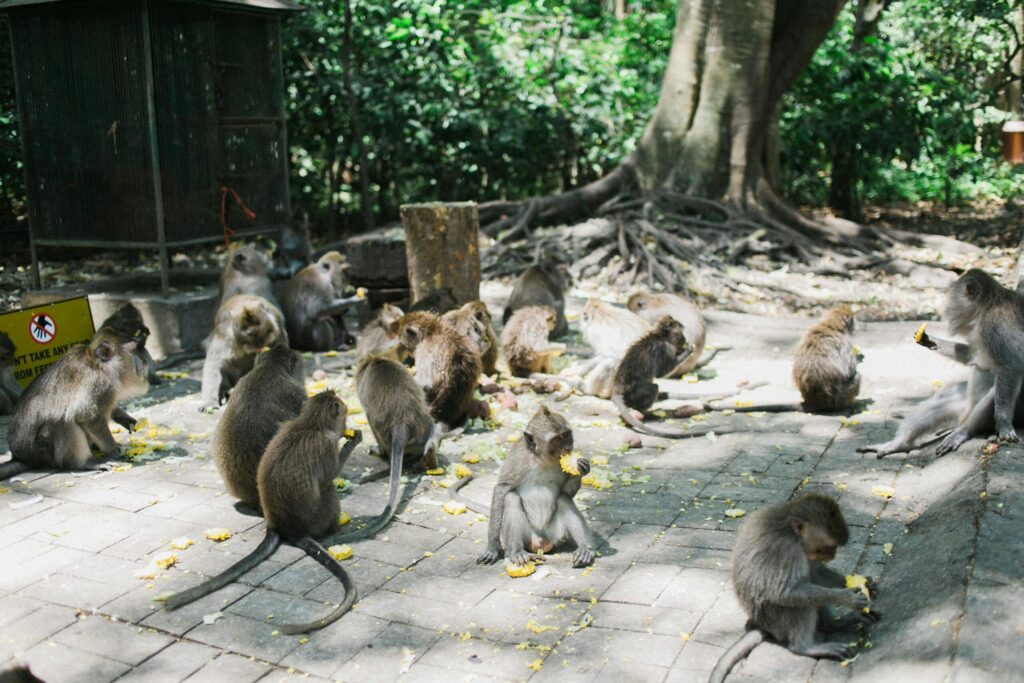
It seems like common knowledge, but sadly, many make this mistake.
Many travellers feel that tossing a piece of fruit or a snack is a harmless way to get a closer look, but this can be a serious, punishable offence under Sri Lankan law.
When you feed wildlife, you aren’t being kind; you’re “conditioning” them in a way that is often fatal. Animals begin to associate vehicles with food. This creates what we call “roadside beggars”—especially among elephants and macaques—who eventually lose their natural fear of humans.
This leads to two major problems:
- Human-Wildlife Conflict: Animals become aggressive when they expect food and don’t receive it, leading to dangerous encounters for future tourists.
- Fatal Accidents: These conditioned animals spend more time near roads, significantly increasing the risk of them being hit by passing traffic.
Furthermore, feeding disrupts their natural diet, making them sick and unable to forage on their own.
It also puts your guide’s permit at risk; a driver caught allowing this can lose their livelihood. A professional safari should be about observing nature in its raw state, not interacting with it like a petting zoo.
Mistake #3: Choosing the Wrong Safari Session
Safaris in Sri Lanka generally come in two forms: half-day and full-day. Picking the wrong one can change your entire experience.
Half-day tours usually run in two sessions:
- Early Morning (6 AM – 11 AM): This is usually cooler and better for catching predators like leopards before they retreat into the shade to sleep through the heat.
- Evening (2 PM – 6 PM): Fantastic for photography due to the “golden hour” lighting, and often the best time to see large herds of elephants gathering near water tanks as the day cools down.
If you go for a full-day safari, you spend the entire day in the park. Usually, your agent or safari provider provides lunch and accommodations, but always double-check this. You don’t want to be six hours into the bush and realise you forgot to pack a sandwich.
Mistake #4: Forgetting Gear (And Using Flash)
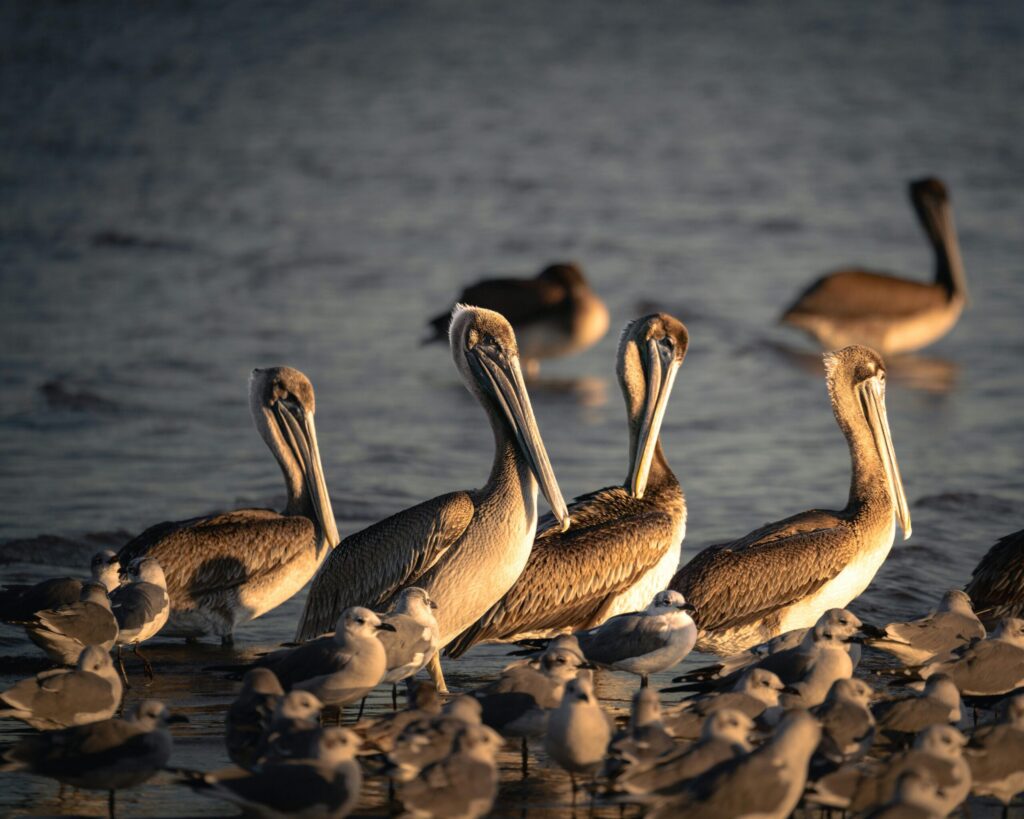
Don’t expect to find camera rental shops near the park gates. If you want those crisp, long-range shots of a leopard in a tree, you need to bring the right equipment with you. If you are using a phone, make sure it’s fully charged. Finding an outlet to charge a dead battery in the middle of a national park is a challenge you don’t want.
Even if you have the best gear, never use a flash. It can temporarily blind or agitate animals—especially at dawn or dusk when their eyes are dilated.
Pro Tip: Bump up your ISO setting instead. Modern cameras and high-end phones handle low light much better than you’d think.
Mistake #5: Pressuring the Driver to Get Too Close
This is a major issue that puts our drivers in a tough spot. Sri Lankan safari drivers have strict protocols to follow, but they often feel pressured by tourists who want the “perfect shot” and hint at better tips for closer proximity.
Forcing a vehicle into an animal’s personal space causes extreme stress and can lead to defensive charges.
Be the cool guest: Tell your driver explicitly that you value the animal’s comfort over a close-up. They’ll appreciate the lower stress levels, and you’ll often find that by staying back, the animals remain calm and stay in view much longer.
Respect the Wild, Enjoy the Journey
A wildlife safari is a highlight, but it’s often just one part of a larger journey.
Many of our guests combine their wildlife adventures with a Kandy city tour to see the cultural side of the island or use our Kandy to Ella drop and pick-up service to transition between the mountains and the plains.
Let’s Plan Your Sri Lanka Wildlife Tour in 2026
If you’re a true nature enthusiast, the best way to see it all is through a dedicated program. We offer a comprehensive 15-day Sri Lanka Wildlife Tour Package that covers the island’s most iconic parks—from Wilpattu to Yala—with professional guides who respect the boundaries we’ve talked about today.
At Lanka Safe Tours, we take pride in our 16 years of experience and our reputation for reliable, first-class service. We are here to ensure you experience the best of our “teardrop” nation comfortably and safely.