Small islands aren’t supposed to punch this far above their weight.
Yet here’s Sri Lanka, a teardrop of land off India’s southern tip, holding one of the highest concentrations of endemic species per square kilometre anywhere in Asia.
Spend even a week driving between its national parks and you’ll start to understand why naturalists keep coming back. This isn’t a country you visit once for wildlife. It’s one you keep returning to, because the list of things you haven’t seen yet stays stubbornly long.
We’ve spent over a decade driving guests through Yala, Wilpattu, Horton Plains, and the hill country cloud forests, so we’ve had plenty of time to figure out where things actually show up (as opposed to where guidebooks claim they show up, which isn’t always the same thing).
What follows is a practical rundown of ten animals worth building a trip around, what makes each one special, and roughly what you’ll need to pack or plan for. No fluff, no filler. Just what you need to know before you go looking.
The Sri Lankan Leopard
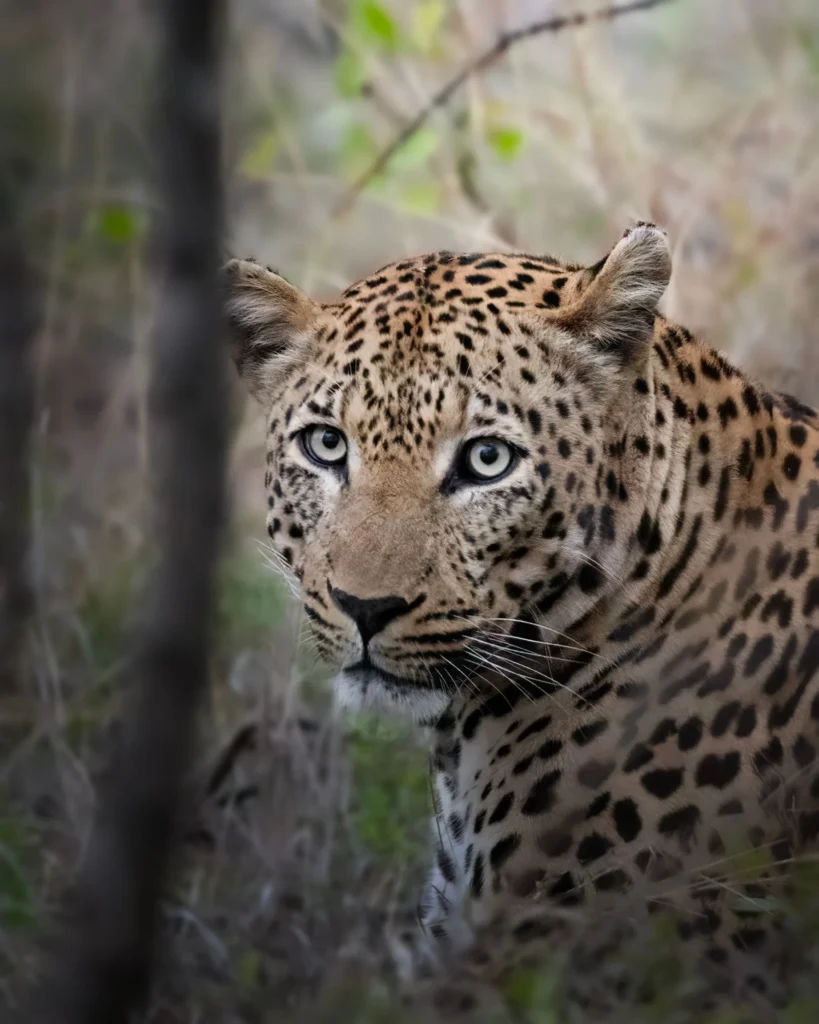
Start here, because everyone does. The Sri Lankan leopard is a subspecies found nowhere else on earth, and Yala National Park has one of the highest leopard densities of any protected area in the world.
Unlike leopards in Africa, these cats sit at the top of the food chain here with no lions or tigers to compete with, which makes them bolder and, frankly, easier to spot.
Early morning safaris in Yala or Wilpattu give you the best odds. Wear muted colours, bring a proper zoom lens if photography matters to you, and don’t expect guarantees. Wild animals don’t do guarantees.
Purple-Faced Langur
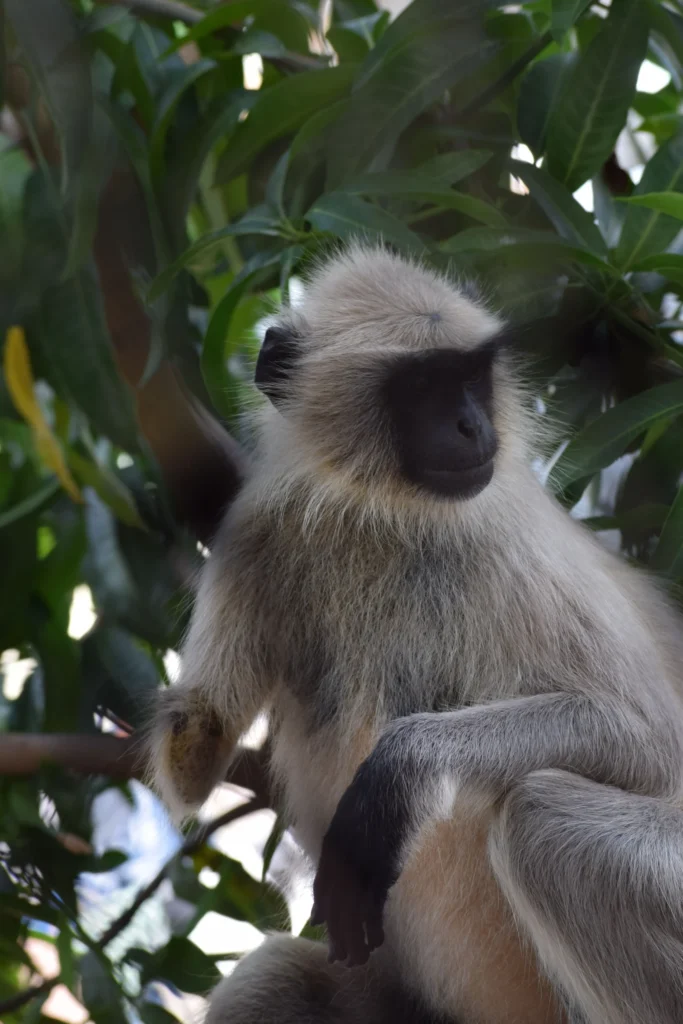
You’ll hear these before you see them. The purple-faced langur is one of Sri Lanka’s endemic primates, recognisable by its dark grey-brown coat and pale whiskers framing a strikingly dark face.
They’re arboreal, mostly leaf-eating, and surprisingly territorial when it comes to defending their patch of canopy. Sinharaja Forest Reserve and the hill country around Nuwara Eliya are reliable spots. If you’re hiking, keep your eyes up rather than down; that’s where the action happens.
The Sri Lankan Elephant
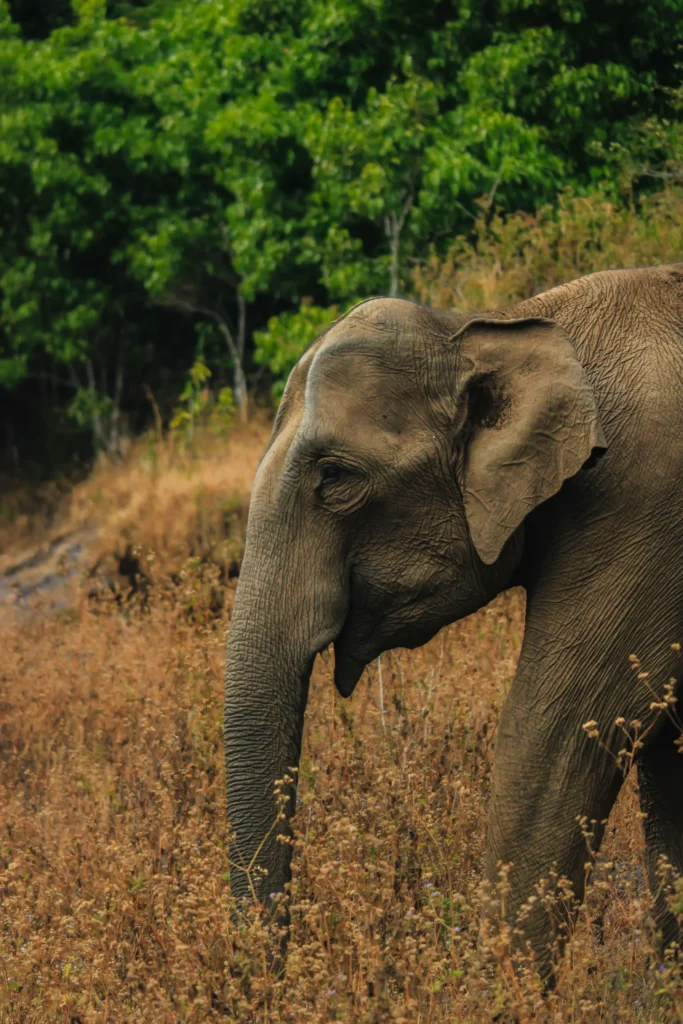
The Sri Lankan elephant is the largest of the Asian elephant subspecies, and Sri Lanka has one of the highest elephant densities in Asia relative to its size.
Udawalawe National Park is your best bet for consistent sightings, often in herds of a dozen or more. If you’re travelling between July and September,
Minneriya’s “Elephant Gathering” is worth timing your trip around; hundreds of elephants converge on the reservoir bed as it recedes. Bring binoculars even if you think you won’t need them. You will.
Sri Lankan Sloth Bear
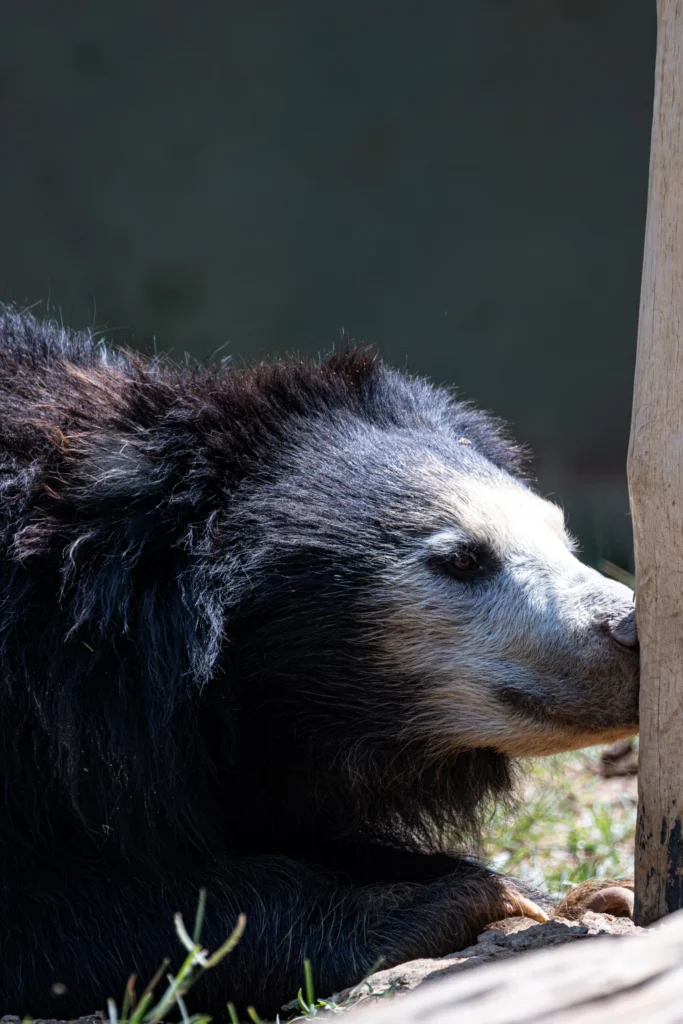
Shier and far less commonly seen than the leopard, the sloth bear still draws serious wildlife watchers to Wilpattu and Yala’s drier zones.
They’re nocturnal by preference, shaggy, and built for digging up termite mounds rather than for speed, though don’t let that fool you into thinking they’re slow. Patience matters more than gear here. Some visitors spend three or four safaris without a sighting, then get lucky on the fifth.
Red Slender Loris
Nocturnal, wide-eyed, and about the size of your palm, the red slender loris is endemic to Sri Lanka’s wet zone rainforests. Spotting one usually means a night walk with a guide who knows exactly which trees to check, since these creatures move slowly and blend into the branches with unnerving skill.
Sinharaja is again your best chance. Pack a red-filtered torch if you can find one; it disturbs nocturnal animals far less than white light.
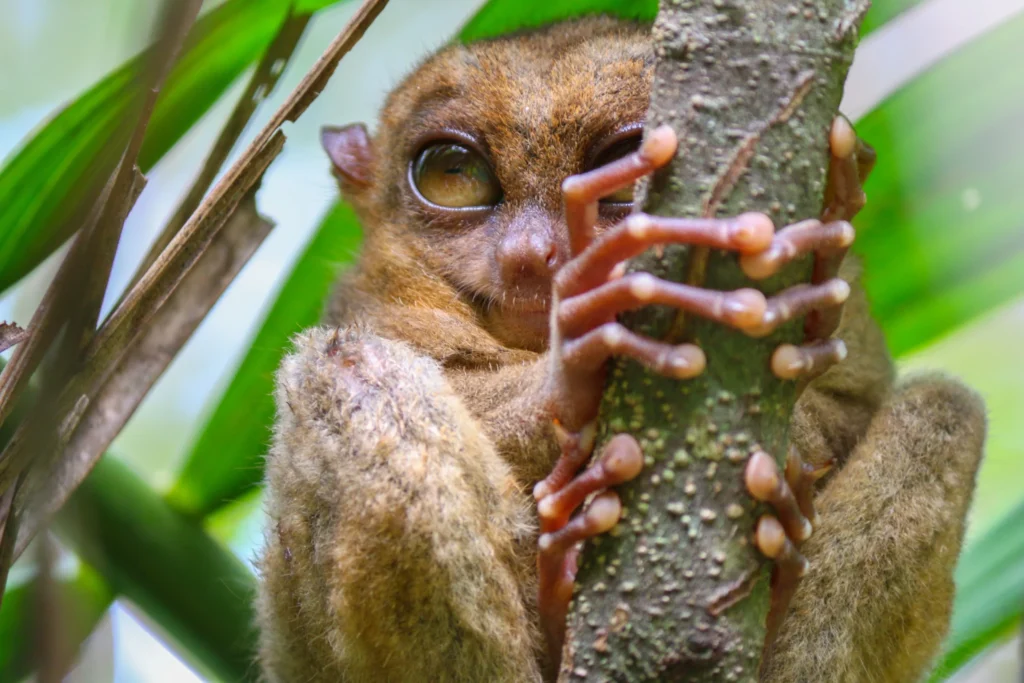
Sri Lanka Junglefowl
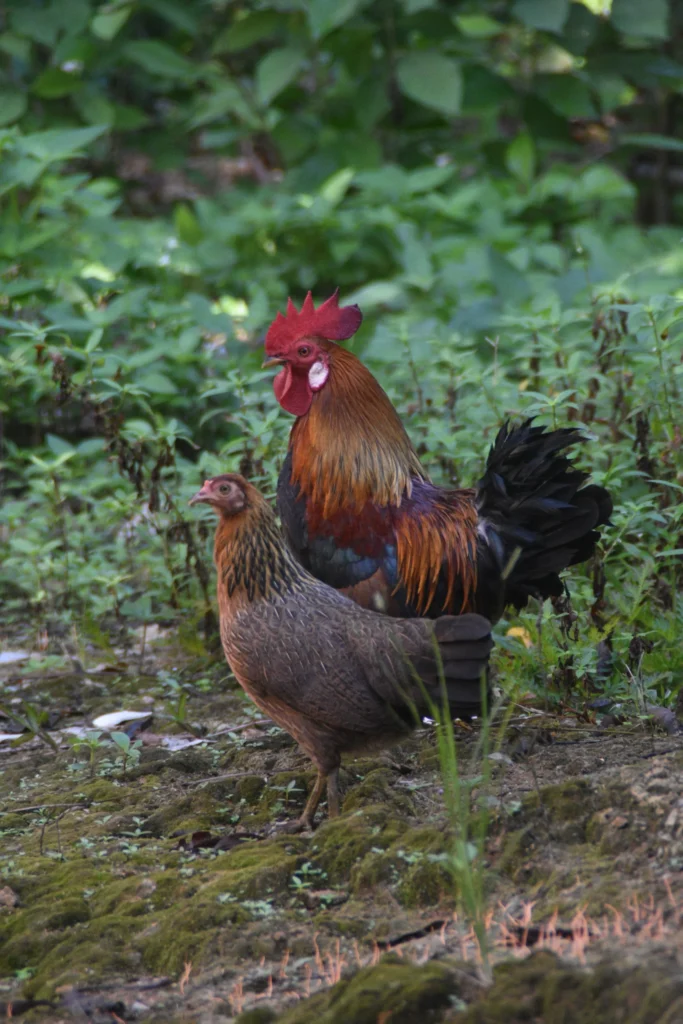
The national bird, and one you’ll likely hear crowing before your morning coffee even if you don’t go looking for it. Related to domestic chickens but with a far more striking orange-red plumage and a distinctive yellow patch on its comb, the junglefowl roams freely through most of the island’s dry zone parks. It’s not endangered, but it is found only in Sri Lanka, which earns it a spot on almost every serious birder’s list.
Sri Lankan Giant Squirrel
Bigger than you’d expect, and considerably louder. The Sri Lankan giant squirrel crashes through the canopy in a way that first-time visitors often mistake for something far larger.
Their reddish-brown coats stand out well against green foliage, particularly in Sinharaja and Kitulgala, where they’re a fairly common sight for anyone spending a morning under the tree cover.
Sri Lankan Blue Magpie
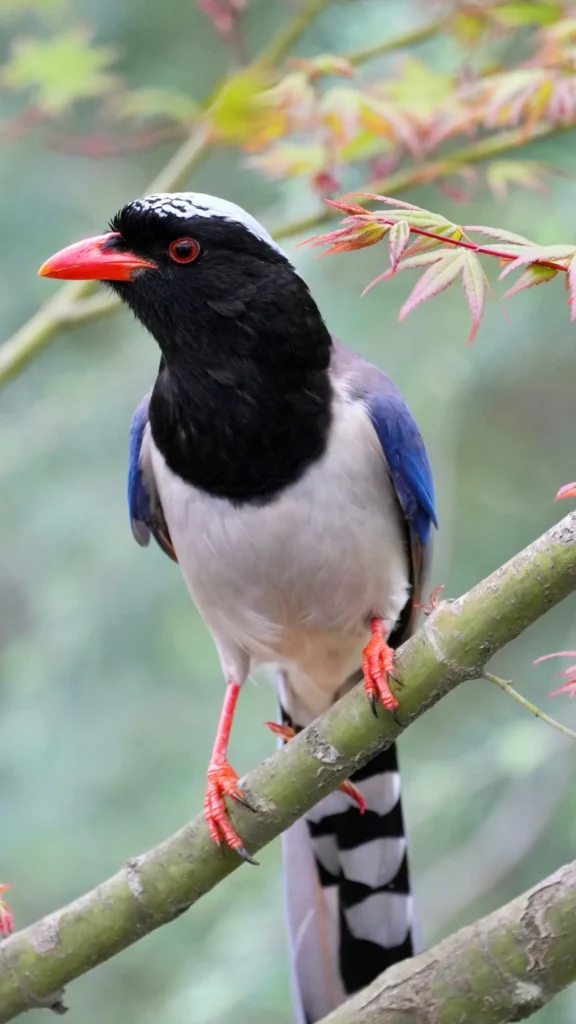
If there’s one bird that photographers specifically travel for, it’s this one. The Sri Lankan blue magpie, with its rich chestnut head and vivid blue body, is endemic to the island’s rainforests and considered one of its most beautiful bird species.
Sinharaja is, once again, the place to be. They tend to move in small, noisy flocks, so if you hear a commotion in the canopy, look up.
Horton Plains Slender Loris
A close cousin of the red slender loris but adapted to the cold, misty highlands rather than lowland rainforest, this subspecies was considered possibly extinct for decades before researchers rediscovered it in Horton Plains National Park in the early 2000s.
Sightings remain genuinely rare, and this one sits firmly on the list of endangered animals in Sri Lanka that conservationists watch closely. If you’re serious about seeing one, you’ll need a specialist night guide and a fair bit of patience. Dress warmly; Horton Plains gets cold enough at night to catch visitors off guard.
Sri Lankan Frogmouth
Camouflage doesn’t get much better than this. The Sri Lankan frogmouth looks almost exactly like a broken tree branch, right down to the mottled bark-brown feathers, and will sit motionless for hours if it senses it’s been spotted.
Local guides in Sinharaja and Kitulgala know the roosting spots, which is really the only way most visitors ever find one. Don’t expect to spot it yourself on a first attempt. This is one where local knowledge genuinely makes the difference between seeing it and walking right past it.
Packing It Right
None of this requires specialist gear, but a few basics go a long way. Stick to neutral, muted clothing rather than bright colours, which can spook animals and, in some parks, actually aren’t permitted. Bring layers; dry zone parks can be scorching by midday and the hill country drops sharply at night.
A decent pair of binoculars matters more than an expensive camera if you’re after sightings rather than photographs, though if photography is the priority, a zoom lens of at least 300mm will serve you well. And bring water. More water than you think you need.
Seeing It All, the Right Way
Sri Lanka rewards the traveller willing to get up before dawn and sit quietly for longer than feels comfortable. That’s really the secret behind most of these sightings; less about luck, more about being in the right place with someone who knows it well. The island’s biodiversity isn’t a rumour dressed up for tourism brochures. It’s real, it’s dense, and it’s remarkably accessible once you know where to look.
That’s where we come in. At The Lanka Safe Tours, we’ve spent 11 years building routes and relationships with guides across Yala, Wilpattu, Sinharaja, and the hill country, which means we know which parks are worth an early wake-up call and which nights are best spent chasing lorises rather than sleeping. Whether you’re after a focused wildlife itinerary or want animal encounters woven into a broader trip around the island, our tour packages are built around getting you to the right spot at the right time, in comfort, with a private guide who actually knows the terrain.
If this list has you thinking about a trip, have a look at our Sri Lanka Wildlife Tour Package (15 Days) for a route that covers most of what’s mentioned here, or browse our general Wildlife Tours if you’d rather build something shorter and more flexible around your own schedule.